
Perast history in the landscape of the bay
Perast history is closely connected with seafaring, Venetian rule and the islands opposite the town. Read the waterfront as part of that story: palaces, churches and the bay belong together. Perast forms part of the Natural and Culturo-Historical Region of Kotor, inscribed on the UNESCO World Heritage List in 1979. That inscription concerns the wider region and its cultural landscape, rather than a separate World Heritage title for Perast alone.
A useful visit combines the town museum with a walk past the historic buildings and, if desired, a boat trip towards the islands. These experiences answer different questions. The museum offers collections and written records; the waterfront shows their architectural setting; the crossing places the religious islands within the bay. Begin with the sights of Perast if you need help turning that historical interest into a route.
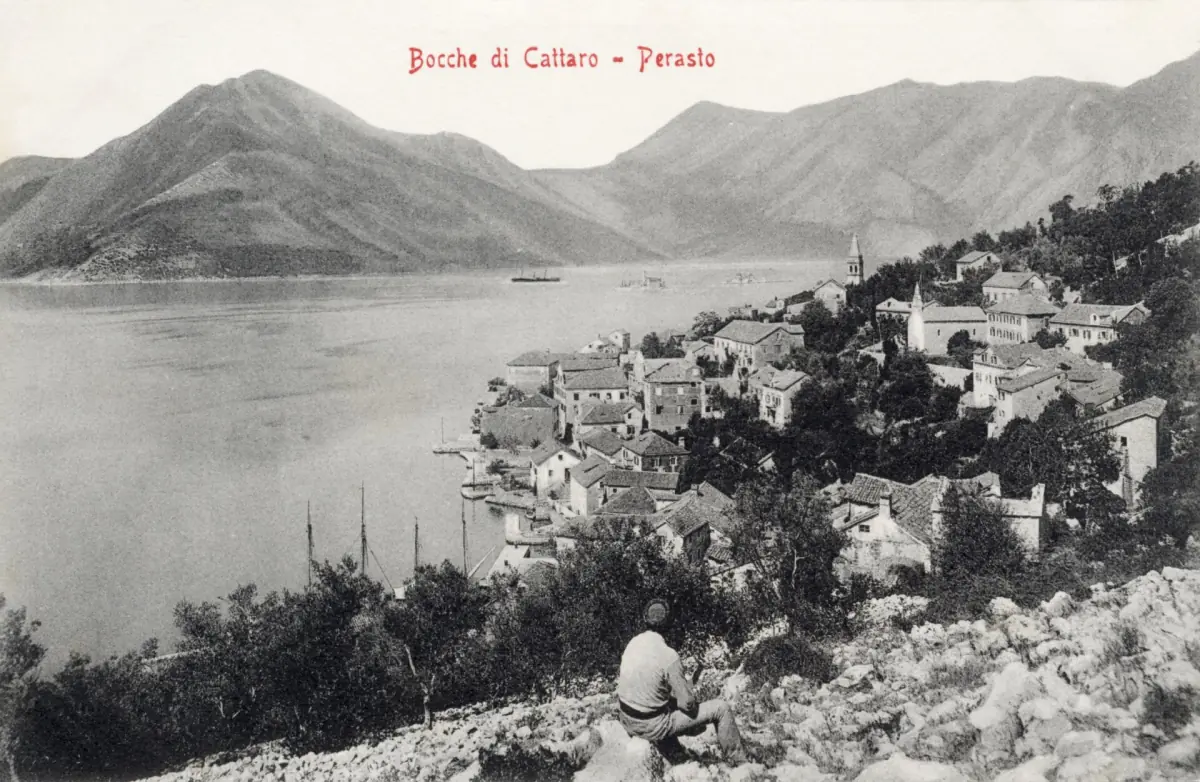
Venetian rule and the maritime town
The town museum dates Venetian rule over Perast from 1420 to 1797. Its presentation connects the town with the flag of the Venetian Republic and treats the story of the final lowering of that flag as a tradition. Keeping that distinction gives the account its proper weight: a remembered civic story can be meaningful without being turned into a competition about which town was the last to lower a flag.
The churches and palaces visible today provide a setting for exploring those connections. St Nicholas occupies the central square, with its bell tower marking the townscape. Look at the relationship between these buildings and the water rather than reading every grand facade as a museum open to visitors. The arrival information is useful if you want to organise an independent visit instead of joining a fixed excursion.
The bay from the water
A trip with a skipper offers views of the waterfront from the bay.
Hand-picked tours, booked through Viator. Prices are indicative starting prices in euros (as of October 2026). Tap a tour for live availability and the current price in your currency.
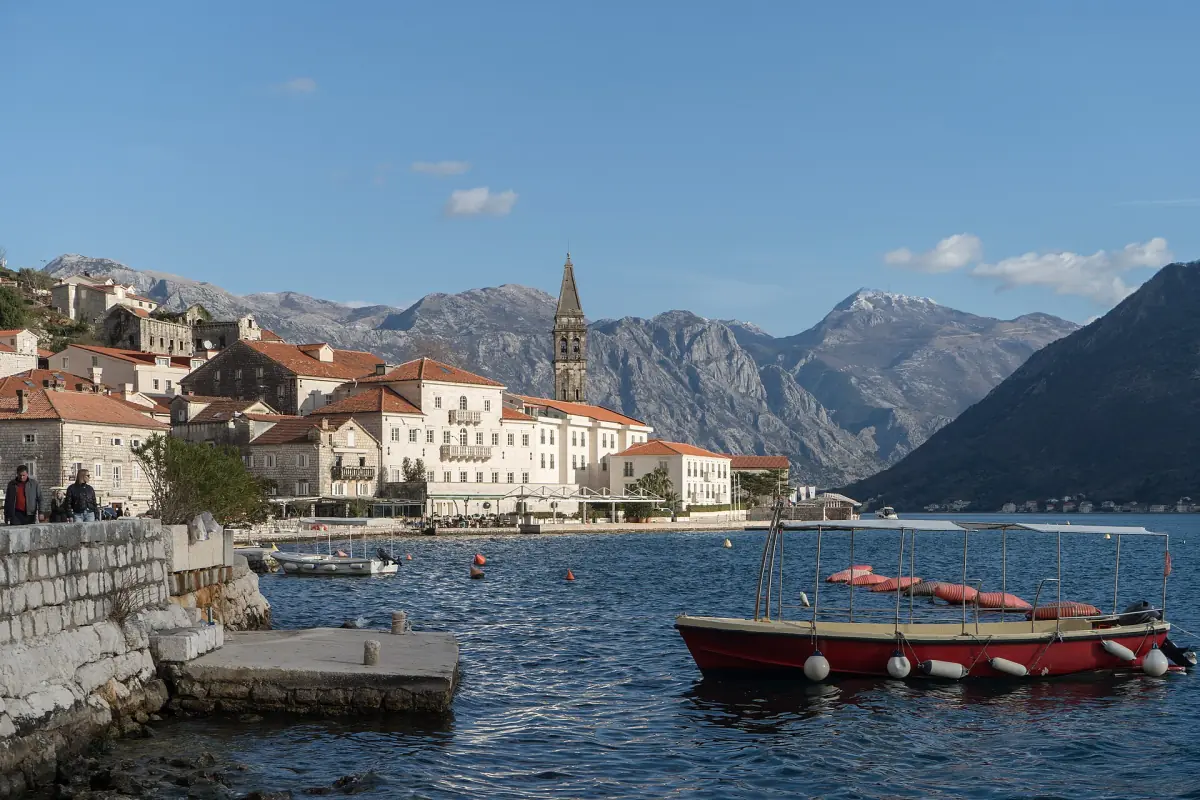
See Perast and the islands from Kotor
A boat visit with a licensed skipper-guide and bottled water offers a view of the historic setting; plan a town museum visit separately.
Marko Martinović and the museum's records
In 1698 Marko Martinović taught navigation to Russian pupils in Perast. The painting associated with that teaching dates from 1711. They are different dates: one belongs to the nautical instruction, the other to the image through which the museum tells that story. This is a concrete starting point for understanding the town's maritime connections beyond a general description of old stone houses.
The museum occupies the Bujović Palace of 1694 and was founded in 1937. Its collections include portraits, weapons, flags, coats of arms, nautical instruments, maps, books and town archives. The palace and the museum therefore represent different layers of the town's history. Allow the collection to shape what you look for during the waterfront walk, rather than expecting a boat excursion to replace time inside the museum.
The boat option shown here leaves from Park Slobode in Kotor. Its recorded rating on 4 November 2026 was 4.0 from 19 reviews, a relatively small review base to weigh alongside the route and included services. It offers a visit to the Perast and island setting; a guided museum visit should be arranged separately. Choose it for that outing rather than expecting a specialist history lecture throughout.
Fašinada on 22 July and the legend of 1452
Fašinada is held annually on 22 July. Decorated boats carry stones to Our Lady of the Rocks and cast them into the water around the island. The date recalls the traditional account of a Marian image being found in 1452. Present that origin as a legend: it explains the meaning attached to the tradition without turning the discovery story into a separately established historical event.
For a visit centred on the ceremony, obtain the programme for the year you intend to travel. An account of an earlier celebration does not set the next event's departure times or participation arrangements. See when to visit Perast for calendar-based planning, and the island guide for the practical difference between a crossing, a landing and church access.
The neighbouring island of Sveti Đorđe also belongs in the view, but plan to see it from the water. Keep the churches and islands in their religious context as well as their historical one. A photograph of the bay captures their setting; it does not make both islands interchangeable visitor stops.
History questions
Is Perast a separate UNESCO World Heritage site?
Perast belongs to the Natural and Culturo-Historical Region of Kotor, inscribed in 1979. The regional landscape is central to that designation.
What happened in 1698?
Marko Martinović taught navigation to Russian pupils. The associated painting dates from 1711, so the teaching and the painting should be kept distinct.
Does the boat visit include a museum history tour?
Use the boat visit to see the historic setting from the bay. Arrange admission and any guided visit to the town museum separately.